
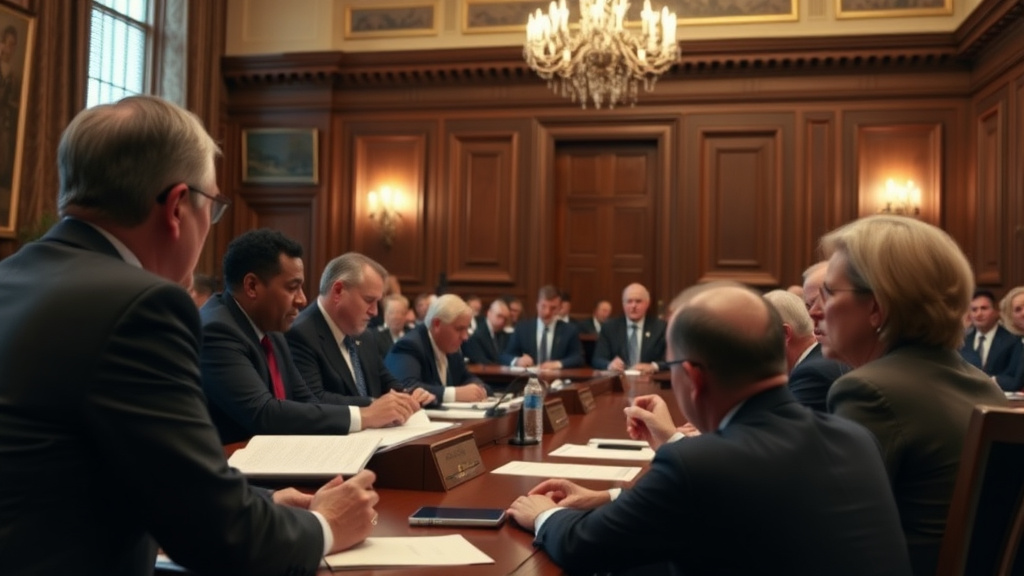
As democracies globally struggle with changing political environments, Parliament has undertaken heated discussions over significant constitutional changes that could drastically reshape voting rights and electoral processes. These proposed modifications—ranging from broader voter access to redrawn district lines—seek to enhance representation while prompting worries regarding institutional stability. This article analyzes the differing viewpoints, potential consequences, and political drivers driving these transformative discussions that may redefine how citizens take part in elections for many years ahead.
Suggested Modifications to Voting Rights
Parliament’s reform of constitutional matters agenda revolves around modernizing voting rights to reflect modern democratic principles and demographic shifts. Lawmakers advocate for reducing the voting age requirement, expanding electoral access to permanent residents, and implementing frameworks for overseas citizens to take part in the electoral process. These changes seek to boost voter turnout and guarantee that varied demographic groups have meaningful representation in how laws are made.
Supporters contend that widening the electorate strengthens democratic legitimacy by bringing underrepresented communities into the democratic process. They assert that youth voters possess sufficient maturity to participate thoughtfully, and that long-term residents contribute substantially to society, deserving political representation. Additionally, granting voting rights to citizens abroad reflects the transnational character of modern citizenship and preserves ties between overseas nationals and their home nations.
Opposition figures raise concerns about likely challenges in voter identification and registration systems. Critics dispute whether reducing the voting age could compromise election integrity and express reservations about granting voting rights to non-citizens. These disagreements reflect core differences about citizenship definitions and the proper extent of political participation in modern society.
Extension of Voting Rights
The planned increase in voter eligibility represents one of Parliament’s most contentious reform efforts. Advocates emphasize that broadening the electorate strengthens representation in democracy and demonstrates evolving public views toward participation. The government suggests that modern democracies need to evolve their voting systems to support younger, more diverse, and increasingly mobile populations. This expansion would align national voting procedures with international standards observed in forward-thinking democracies worldwide.
Implementation of expanded eligibility demands considerable legislative modifications and administrative adjustments across election bodies. Parliament must establish clear criteria for evaluating voting rights, establish verification systems, and commit resources for voter registration campaigns. The outlined plan suggests a phased implementation beginning with youth populations, followed by non-citizen residents, and finally diaspora voting procedures. These staged modifications allow institutions to adapt gradually while preserving voting system integrity.
- Lower minimum voting age from 18 to 16.
- Grant suffrage to long-term residents following a five-year residency period.
- Allow citizens abroad to vote in federal elections remotely.
- Implement automatic voter registration for qualifying voters.
- Develop voting materials in multiple languages and accessibility accommodations.
Election System Changes
The suggested electoral system modifications constitute a extensive overhaul of how parliamentary elections are administered throughout the country. Legislators are assessing different strategies to modernize electoral processes, including digital advancement and operational efficiency. These changes aim to address chronic issues while upholding election security. Advocates argue that new systems may enhance voter participation and minimize administrative burdens. However, detractors express concerns about implementation costs and potential security vulnerabilities. The debate reveals underlying divisions between change and continuity in democratic systems.
Central to these discussions is the matter of how electoral systems should reconcile representation and stability. Current first-past-the-post mechanisms have come under scrutiny for potentially marginalizing minority voices and producing disproportionate parliamentary outcomes. Reform proponents suggest different voting approaches could better reflect the voters’ diverse priorities. Critics argue that radical changes might undermine existing political institutions and perplex voters unfamiliar with novel systems. Parliament must weigh these competing priorities with care to ensure any reforms reinforce rather than undermine democratic legitimacy and public confidence in voting systems.
The schedule for rolling out electoral reforms continues to be contentious among legislators. Some legislators propose phasing changes gradually across numerous election periods to allow citizen adaptation and system refinement. Others argue that postponing implementation perpetuates current inequities and undermines democratic urgency. Expert panels have been assigned to developing thorough procedural frameworks tackling logistical challenges. These findings will significantly influence final parliamentary choices pertaining to adoption schedules and changeover processes for involved constituencies and electoral populations.
Adoption of Proportional Voting Systems
Proportional representation systems have emerged as a major reform initiative, fundamentally altering how legislative seats are allocated following elections. Under such systems, parties receive seat allocations reflecting their overall vote percentages rather than first-past-the-post results. Supporters maintain this approach provides fairer representation of diverse political viewpoints and reduces wasted votes. Implementation would require significant constitutional modifications and boundary realignment. Several European nations currently use proportional systems, offering potential models for adaptation. However, worries regarding coalition government fragmentation and weakened representative accountability remain among skeptical parliamentarians.
The operational deployment of proportional representation presents substantial practical challenges requiring thorough parliamentary consideration. Electoral officials must create new mechanisms for ballot tabulation, seat allocation, and party list management across constituencies. Transition planning must address voter education, updated ballot formats, and revised electoral administration protocols. Cost estimates for introducing the system have triggered budgetary debates within Parliament. Different proportional models—including mixed systems integrating proportional and district elements—offer differing complexity levels and outcomes. Parliamentary committees are still assessing which implementation approach best serves national interests while maintaining democratic principles and operational feasibility.
Parliamentary Debate and Opposition
The constitutional amendments have sparked intense parliamentary debate, with members divided along party lines and ideological positions. Government supporters argue that broadening suffrage and reforming electoral systems will strengthen democratic participation and ensure fairer representation across diverse communities. Opposition lawmakers, however, maintain that fast-tracking such fundamental changes without broad public input undermines constitutional stability. They warn that hastily implemented electoral reforms could produce unforeseen effects, including fragmented legislatures and diminished government efficiency that ultimately damages citizens.
Critics from multiple political perspectives have expressed serious reservations about certain measures, especially concerning boundary redistricting and voting qualification standards. They stress the importance of broader consensus-building before implementing major constitutional modifications. Proponents contend that postponement entrenches current disparities and voter exclusion. This fundamental disagreement reflects profound disagreements about democratic reform priorities. As congressional committees proceed with analyzing technical details, both sides activate stakeholders and stakeholders, suggesting these constitutional debates will stay divisive throughout the upcoming legislative process.
