
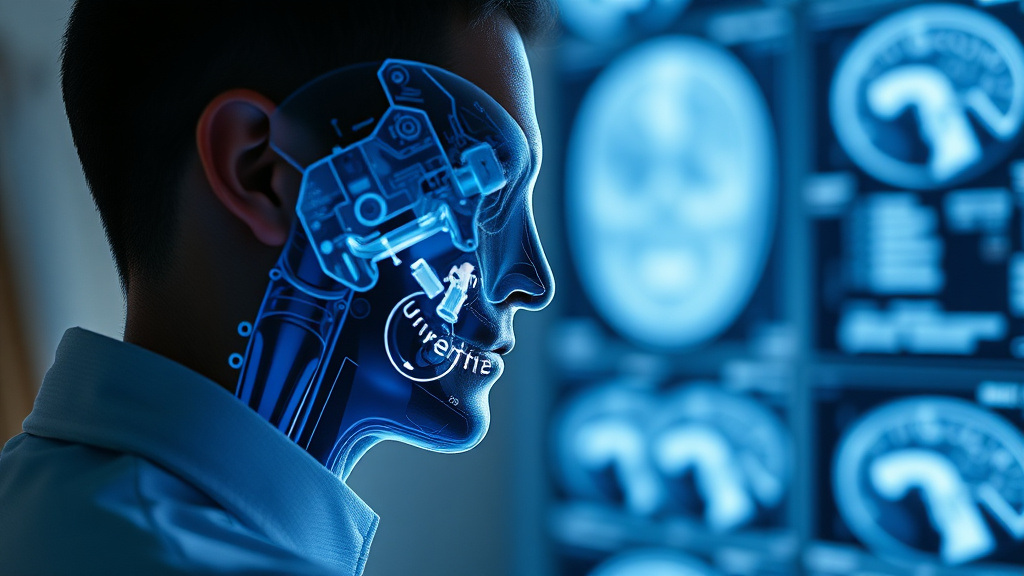
Imagine a world where diseases are identified before symptoms emerge, where diagnostic accuracy reaches near-perfect levels, and where patients receive results in minutes instead of weeks. This is no more science fiction—artificial intelligence is reshaping healthcare diagnostics today. From examining medical imaging to forecasting patient outcomes, AI-powered systems are surpassing human experts while dramatically reducing diagnostic errors. Discover how intelligent systems are revolutionizing medicine, preserving lives, and completely revolutionizing the way doctors identify and treat diseases.
Artificial Intelligence-Driven Diagnostic Revolution
The medical industry finds itself in a pivotal moment as artificial intelligence reshapes testing procedures across the globe. Machine learning algorithms now analyze medical images with remarkable precision, identifying cancers, heart diseases, and neurological disorders earlier than conventional approaches. These intelligent technologies process vast datasets in moments, recognizing patterns beyond human perception and significantly reducing the time between patient presentation and diagnosis. Hospitals worldwide are incorporating these tools into their workflows, experiencing dramatic improvements in testing precision and clinical results.
Beyond imaging analysis, AI-powered diagnostic tools are transforming laboratory testing and clinical decision-making. Predictive algorithms evaluate patient data to detect disease risks before symptoms manifest, enabling early interventions that save lives. These intelligent systems learn continuously from new medical data, becoming more advanced and dependable. By streamlining routine diagnostic work, healthcare professionals can dedicate attention to complex cases and patient care, ultimately transforming the diagnostic experience for both clinicians and patients while significantly decreasing medical costs.
Real-World Uses and Practical Outcomes
Artificial intelligence has moved beyond theoretical promise to deliver tangible results across healthcare systems worldwide. Hospitals and diagnostic centers implementing artificial intelligence tools report notable enhancements in clinical results, workflow optimization, and cost reduction. These on-the-ground applications demonstrate artificial intelligence’s ability to enhance medical processes, allowing healthcare professionals to make faster, more informed decisions while upholding the human touch essential to clinical treatment.
Early Disease Detection
AI algorithms are adept at detecting nuanced patterns in healthcare information that human observers might overlook. By examining medical imaging, genetic markers, and clinical records, machine learning models can identify cancer types, cardiovascular diseases, and neurological disorders at the earliest possible point. Prompt identification dramatically improves treatment outcomes and survival rates, converting conditions once regarded as terminal into treatable diseases with high recovery potential.
Detection programs powered by AI have transformed disease prevention. Systems analyzing mammograms, CT scans, and pathology samples attain detection rates surpassing 95% precision. These systems enable healthcare professionals to identify high-risk individuals prior to symptom onset, enabling timely interventions that halt disease advancement and reduce the need for invasive treatments.
Minimizing Diagnostic Errors
Diagnostic errors continue to be a primary source of patient harm in healthcare. AI systems minimize these errors by delivering objective, consistent evaluation unaffected by fatigue or cognitive bias. AI models trained on vast case databases offer dependable alternative assessments, identifying missed diagnoses and preventing incorrect diagnoses. This partnership model of AI working with doctors substantially improves accuracy in diagnosis and safety outcomes.
Adoption of AI diagnostic tools has reduced error rates by up to 40% in certain specialties. By identifying atypical presentations, suggesting alternative diagnoses, and drawing attention to significant results, AI systems act as vigilant safety nets. Healthcare institutions adopting these technologies report better clinical results, decreased litigation risks, and greater physician trust in diagnostic decisions.
Future Outlook and Implementation Hurdles
The future of AI in healthcare diagnostics looks exceptionally promising, with emerging technologies poised to revolutionize patient care further. Advanced machine learning models will likely achieve even greater accuracy rates, while quantum processors may unlock unprecedented computational speeds for complex medical data analysis. Integration of AI with wearable devices and continuous monitoring platforms enables early disease identification on unprecedented scales. However, realizing this vision requires substantial investment in foundational systems, continued algorithm refinement, and expanded clinical validation across diverse patient populations and medical conditions worldwide.
Despite substantial potential, major implementation challenges jeopardize extensive AI adoption in healthcare. Privacy and data protection issues, regulatory compliance complexities, and the digital divide between wealthy and less wealthy countries establish significant obstacles. Healthcare institutions must resolve the critical shortage of healthcare professionals with AI expertise while preserving human supervision and responsibility. Additionally, the high costs of developing and implementing AI systems may exacerbate healthcare disparities. Overcoming these obstacles demands joint cooperation from technology companies, medical institutions, policymakers, and regulatory agencies to ensure equitable access and responsible implementation.
