
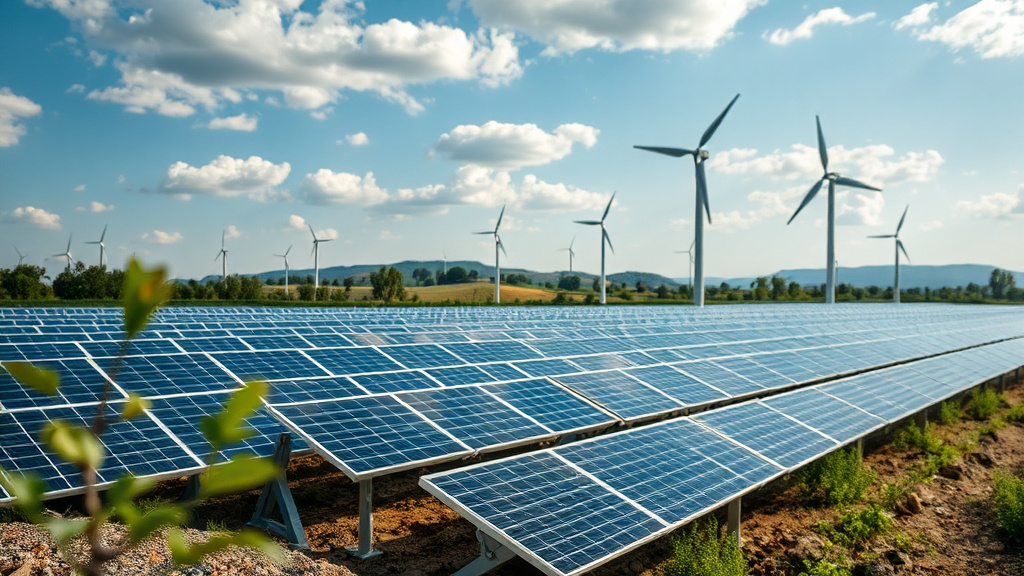
Imagine a region powered completely by the sun, wind, and water—independent of fossil fuels and energy grid dependencies. This vision is swiftly transforming into reality as renewable energy technologies advance at extraordinary pace. From photovoltaic systems and wind power systems to cutting-edge battery storage technology, communities around the world are leveraging nature’s power to achieve total energy independence. This article investigates how these groundbreaking technologies work, reviews successful case studies, and uncovers the environmental and economic benefits that make energy autonomy within reach for any community.
Solar Energy Solutions Transform Regional Power Output
Solar power has risen to prominence as one of the most practical and expandable renewable energy solutions for communities pursuing energy independence. Photovoltaic (PV) technology transforms sunlight directly into electricity through semiconductor materials, enabling residential, commercial, and industrial installations to generate their own power. Modern solar panels have become increasingly efficient, affordable, and durable, with many systems lasting 25-30 years or more. Communities are installing solar arrays on rooftops, open land, and even water surfaces, creating decentralized power networks that decrease dependence on centralized power plants and reduce transmission losses.
The integration of solar power systems with advanced battery storage technology has revolutionized local energy production capabilities. These storage solutions allow communities to capture excess solar energy during peak daylight hours and utilize it during evening and cloudy periods, ensuring consistent power availability year-round. Battery systems like lithium-ion and emerging solid-state technologies provide reliable backup power while stabilizing grid frequency|keeping grid stability|supporting grid stability. This combination enables communities to maintain steady electricity supply independent of external energy sources, significantly enhancing resilience against grid failures and energy price fluctuations.
Beyond individual installations, community-scale solar farms are transforming how neighborhoods approach energy generation and consumption. These collective solar initiatives allow residents lacking adequate roof space to participate in clean energy generation while lowering total setup expenses through bulk purchasing advantages. Community solar farms generally produce 1-5 megawatts of power, supplying electricity to hundreds of homes at once. This model democratizes renewable energy access, ensuring that renters, apartment dwellers, and those with shaded properties can benefit from solar power and support their community’s energy independence goals.
Smart grid technology and live energy management systems enhance solar power delivery within communities, increasing effectiveness and cutting excess. These intelligent networks monitor energy output and demand patterns, dynamically sending power to areas of greatest demand. Microgrids fueled largely through solar energy can run standalone or connect to larger grids, delivering versatility and dependability. Cutting-edge tools enable community members to track their energy usage, take part in demand response programs, and choose wisely about consumption, promoting environmental consciousness and environmental responsibility.
The financial advantages of solar power systems go far past decreased energy expenses for individual users and communities. Solar installations generate employment opportunities in production, setup, upkeep, and design services, driving economic development and skill development. Communities investing in solar systems experience increased property values, draw eco-minded people and companies, and decrease sustained energy spending. Financial incentives, tax credits, and favorable financing options help more people afford solar energy, allowing households across income levels to transition toward energy independence.
Environmental positive impacts of solar power systems align perfectly with community sustainability goals and carbon reduction efforts. Solar energy generation produces zero greenhouse gas emissions, eliminating the environmental impact associated with traditional coal and gas energy. By transitioning to solar power, communities reduce atmospheric and aquatic contamination, preserve natural ecosystems, and make significant contributions in global environmental protection. The lifecycle environmental impact of solar panels continues improving as manufacturing processes turn greener and more efficient, making solar technology an ever-more responsible solution for communities committed to environmental stewardship.
Wind Energy and Energy Storage Solutions
Utilizing Wind Power for Community Energy
Wind energy serves as one of the most productive clean energy sources accessible for communities pursuing self-sufficient power. Modern wind turbines convert kinetic energy from wind into electricity with remarkable efficiency, often achieving capacity factors exceeding 35%. Communities well-located in windy regions can produce significant electricity throughout the year, offsetting fluctuating solar production variations. Wind farms, whether major facilities or smaller community-based systems, deliver reliable power that directly reduces reliance on traditional grid infrastructure and conventional energy supplies.
The adaptability of wind technology makes it particularly attractive for varied community contexts. From utility-scale wind farms serving several communities to distributed turbines powering local areas, wind solutions work across various geographical and demographic contexts. Next-generation turbines now perform well even in average wind speeds, increasing possible installation sites. This adaptability enables communities to customize wind energy systems according to local wind patterns, landscape conditions, and energy requirements, creating customized approaches for achieving total energy self-sufficiency.
Battery Storage: Your Path to Energy Independence
Battery storage technologies are vital for changing intermittent renewable energy into dependable power supply. Advanced lithium-ion and emerging solid-state batteries capture excess renewable energy from wind and solar sources generated during high-output timeframes, releasing it during low-generation hours or high-demand times. This feature removes the standard grid dependence, permitting communities to preserve stable energy supplies regardless of weather conditions or time of day. Battery storage essentially disconnects renewable generation from consumption patterns.
Integrating battery storage with wind installations establishes robust microgrid systems able to operating independently from traditional grid infrastructure. When communities pair wind turbines with high-capacity energy storage systems, they achieve unmatched power security and reliability. Advanced battery control systems efficiently manage charge-discharge cycles, prolonging equipment life while improving performance. This combination of wind generation and battery storage represents the technical backbone allowing communities to achieve complete energy independence while ensuring stable energy supply for all essential services.
Community Implementation and Economic Benefits
Practical Implementation Approaches
Effective clean energy implementation necessitates detailed planning and stakeholder involvement. Municipal authorities must review current capabilities, review infrastructure requirements, and create practical implementation timelines. Key partnerships involving municipalities, private sector partners, and local residents build collaborative models that expedite project implementation. Economic incentives, such as grants and tax incentives, facilitate renewable systems more accessible. Community awareness initiatives generate public support and ensure residents grasp the lasting benefits of energy independence investments.
Infrastructure upgrading forms the foundation of community energy independence. Smart grid technology facilitate efficient distribution and continuous oversight of sustainable power output. Battery storage systems ensure stability when demand peaks and seasonal generation variations. Microgrids permit areas to function autonomously during grid emergencies, enhancing durability. Integration of multiple renewable sources—solar, wind, and hydroelectric—establishes diversified energy portfolios that enhance stability and minimize generation gaps throughout seasonal variations.
Financial Advantages and Workforce Expansion
- Renewable projects create numerous specialized job openings locally.
- Lower power expenses deliver substantial long-term cost reductions for households.
- Property values increase in areas featuring renewable energy infrastructure.
- Local tax revenues grow from renewable energy installations and operations.
- Self-sufficient energy protects regions from volatile fossil fuel price fluctuations.
The financial advantages of clean energy go well past reduced electricity bills. Communities investing in clean energy infrastructure see substantial employment growth across manufacturing, installation, and maintenance sectors. Local businesses thrive as funds formerly used for foreign oil and gas circulates within the local economic base. Property values consistently rise in regions featuring clean energy infrastructure, attracting new residents and businesses. Local authorities gain from higher tax income while simultaneously reducing expenditures on pollution cleanup and medical expenses linked to poor air quality.
Long-term financial stability becomes achievable through renewable energy independence. Communities eliminate exposure to volatile global energy markets and geopolitical disruptions affecting fuel supplies. Predictable energy costs enable better budgeting for households, schools, and businesses. Investment in renewable infrastructure stimulates economic growth through equipment manufacturing, installation services, and ongoing maintenance work. Educational institutions gain opportunities to develop specialized training programs, preparing workers for emerging green energy careers|new renewable sector positions|clean energy employment opportunities. This sustainable economic model|green approach to growth ensures prosperity while|growth while also protecting environmental resources|conserving natural ecosystems for future generations.
