
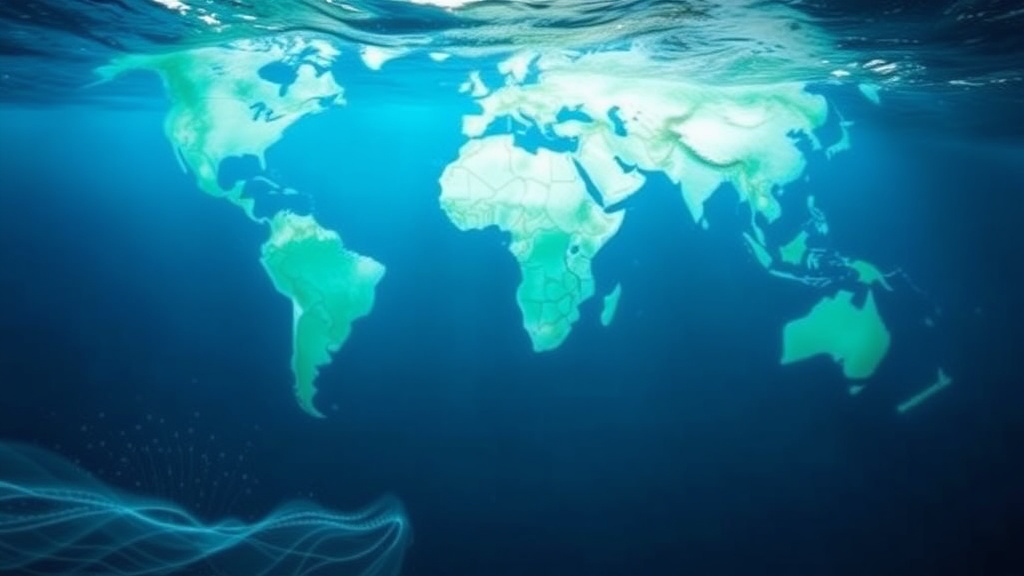
Researchers have long suspected that ocean currents serve an important function in shaping our climate system, but cutting-edge research ultimately uncovers the precise mechanisms behind this powerful connection. By analyzing decades of ocean data and employing sophisticated computer models, scientists discovered how these massive water movements move heat across the globe, influencing everything from the formation of hurricanes to local climate patterns. This finding could transform our understanding of global warming and enhance predictions for future weather extremes.
The Vital Role of Ocean Currents in Climate Regulation
Ocean currents operate as Earth’s conveyor belt system, moving enormous volumes of warm and cold water across vast distances. These powerful water movements move thermal energy from the equator toward the poles, functioning as a planetary temperature regulator for our planet. Without ocean currents, global temperature distributions would be significantly altered, with equatorial regions growing unbearably hot while polar areas remained permanent ice fields. This energy distribution system is critical to sustaining the suitable climate areas that sustain diverse ecosystems and human civilization worldwide.
Cutting-edge studies have quantified precisely how ocean currents influence air circulation systems and weather systems. Scientists discovered that variations in current intensity directly correlate with variations in precipitation, storm intensity, and seasonal climate anomalies throughout various regions. The AMOC and Pacific marine currents emerged as particularly critical controllers of regional climates. These findings highlight the urgent need to monitor ocean current changes, as minor fluctuations may cause significant shifts in global weather patterns and affect farming output, freshwater supplies, and populations in coastal areas worldwide.
Thermohaline Flow: The Ocean’s Worldwide Conveyor System
Thermohaline circulation constitutes one of the most vital mechanisms for managing Earth’s climate system. This vast oceanic conveyor belt is driven by differences in water density, which stem from variations in heat and salt concentrations. Heavy, frigid water sinks in polar regions while warmer water rises near the equator, producing a ongoing flow system that spans all ocean basins. This system moves massive heat volumes from warm zones toward the poles, significantly affecting regional and global climate patterns.
Recent breakthrough research has quantified precisely the way thermohaline circulation affects climate dynamics with unprecedented precision. Scientists found that small disruptions to this circulation system can trigger significant climate shifts impacting weather patterns, precipitation, and temperature distributions globally. The research shows that this circulation system acts as Earth’s primary heat distribution network, making it essential for preserving the relatively stable climate conditions that sustain human civilization and ecosystems around the world.
How Rising Temperatures Disrupt Ocean Current Patterns
Rising global temperatures are substantially reshaping the delicate balance of ocean circulation systems that have preserved Earth’s climate stability for millennia. As warming waters expand and freshwater from melting ice sheets reduces the salinity of the ocean’s salinity, the density gradients that drive deep ocean currents weaken significantly. These changes threaten to slowing or even halting vital circulation patterns like the Atlantic Meridional Overturning Circulation, which controls heat distribution across hemispheres and influences weather patterns affecting vast populations worldwide.
The impacts of disrupted ocean circulation extend far beyond temperature fluctuations, setting off cascading effects throughout interrelated climate systems. Slower current speeds reduce nutrient delivery to upper water layers, compromising marine ecosystems and fishing industries dependent on these critical resources. Furthermore, diminished circulation patterns can create regional climate anomalies, worsening droughts in certain regions while generating excessive precipitation in other regions, ultimately undermining agricultural production and freshwater resources globally.
Implications for Global and Future Climate Conditions
The groundbreaking findings concerning ocean currents have substantial impact for climate science and weather forecasting. Understanding how these currents redistribute heat across the globe enables scientists to develop more accurate predictive models for future climate scenarios. This enhanced knowledge allows researchers to better anticipate local temperature changes, precipitation patterns, and the frequency of extreme weather events. As climate change continues to alter ocean temperatures and circulation patterns, these insights become progressively vital for creating robust mitigation and adaptation strategies.
Going forward, this research creates fresh opportunities for environmental monitoring and response approaches. Environmental leaders and policymakers can now use these insights to develop evidence-based policies about reducing carbon emissions and protecting coastal areas. Additionally, better climate forecasts help people get ready for potential weather-related disasters and environmental changes. The integration of ocean current research into global climate models represents a major advancement toward creating stronger communities and protecting vulnerable ecosystems from the escalating impacts of global warming.
