
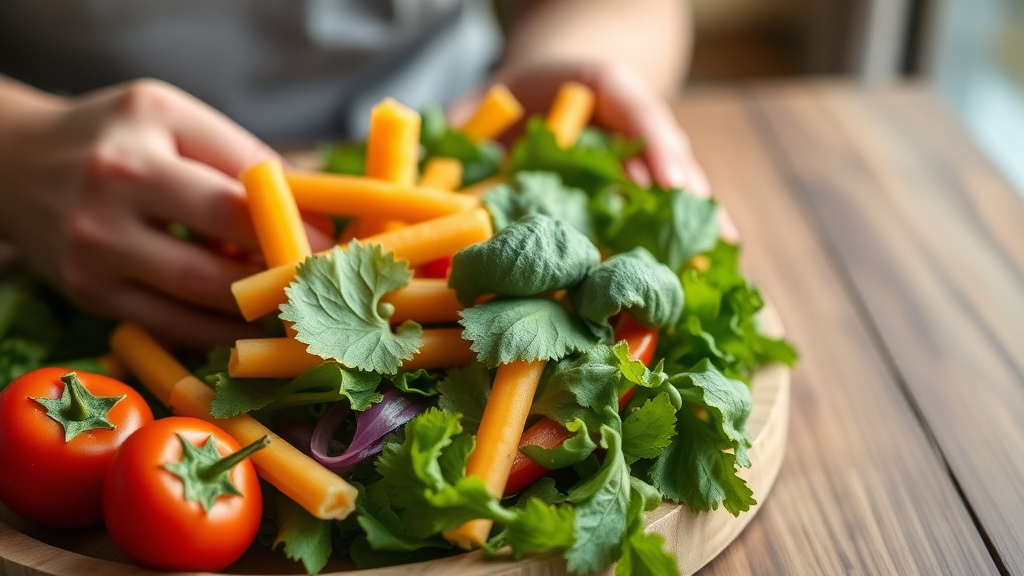
Numerous people suffer from chronic inflammation and debilitating joint pain, often relying on medications that cause unwanted side effects. But consider this: the solution could be in your kitchen? Leading nutritionists are increasingly recommending plant-based diets as a powerful, natural way to combat inflammation and alleviate joint discomfort. This article explores the science behind plant-based eating, determines which foods offer the strongest anti-inflammatory effects, and offers actionable advice for shifting to a diet that could transform your health and mobility.
The Link Between Diet and Chronic Inflammation
Chronic inflammation is a ongoing immune process that harms healthy tissues progressively, substantially increasing joint pain and reduced mobility. Today’s dietary habits rich in processed foods, refined sugars, and unhealthy fats substantially fuel inflammatory responses in the body. On the other hand, whole plant-based foods contain powerful anti-inflammatory compounds, including polyphenols and antioxidants, that effectively reduce inflammatory pathways. Recognizing this key relationship between dietary choices and inflammatory processes is vital for anyone seeking to reduce chronic pain through nutrition.
Research shows that animal products, particularly those rich in saturated fats and omega-6 fatty acids, activate inflammatory cascades within the body. Plant-based diets shift the nutritional balance toward omega-3 fatty acids and fiber, which effectively lower inflammatory markers in the bloodstream. Studies show that individuals embracing plant-based eating patterns demonstrate measurable decreases in C-reactive protein and other inflammation indicators within weeks. This dietary shift essentially retrains the immune system to respond more effectively, reducing unnecessary inflammatory reactions.
The microbial ecosystem in your gut proves vital in managing inflammation systemically. Plant-based diets rich in fiber nourish helpful microorganisms, strengthening intestinal barriers and reducing pathogenic bacteria proliferation. A well-functioning microbiota produces short-chain fatty acids that effectively inhibit inflammation systemically. By feeding your microbiome with plant-derived nutrients, you build a metabolic groundwork for lower inflammatory markers and better joint function.
Plant-Based Ingredients That Combat Inflammation
The transition to a plant-based diet delivers a scientifically-backed approach to decreasing chronic inflammation organically. Whole plant foods contain potent phytonutrients, antioxidants, and polyphenols that help diminish inflammatory markers in the body. Unlike processed foods and animal products that tend to spark inflammatory responses, plant-based options function together to suppress immune system overactivity. Research shows that individuals adopting plant-based diets achieve notable drops in inflammatory cytokines within weeks, producing tangible benefits in joint pain and overall mobility.
Key Anti-Inflammatory Plant Foods
Some plant-derived foods exhibit strong anti-inflammatory benefits due to their unique nutritional profiles. Leafy vegetables like spinach and kale are rich in vitamin K and protective compounds that shield cells against inflammatory damage. Berries, particularly blueberries and cherries, are packed with anthocyanins, compounds that specifically target inflammation pathways. Fatty fish alternatives such as flaxseeds and chia seeds provide omega-3 fatty acids crucial for reducing joint inflammation. Vibrant produce and legumes complete the anti-inflammatory toolkit with diverse micronutrients.
Adding these foods strategically into your daily meals creates a progressive anti-inflammatory effect that accumulates over time. The essential factor is consistency and variety, ensuring your body receives a wide range of protective compounds. Many dietary experts suggest eating at least five different anti-inflammatory plant-based foods daily. This approach not only lowers inflammation markers but also promotes gut health, which plays a crucial role in immune system regulation. The results often include decreased morning stiffness, improved joint flexibility, and reduced pain intensity.
- Green vegetables deliver vitamin K and powerful antioxidant protection.
- Berries contain anthocyanins that address inflammatory pathways efficiently.
- Flax and chia seeds provide omega-3s to support joint health.
- Turmeric contains curcumin, a powerful anti-inflammatory agent.
- Legumes provide dietary fiber and polyphenols that reduce inflammation naturally.
Switching to a Plant-Based Eating Plan for Healthy Joints
Making the shift to a plant-forward eating plan doesn’t require an overnight transformation. Nutritionists recommend a step-by-step method, starting by including vegetables, fruits, legumes, and whole grains into your current diet. Begin by designating one or two meatless days per week, then steadily add plant-based meals as you find recipes and foods you like. This gradual shift allows your body to acclimate while building sustainable eating habits that enhance sustained joint function and reduced inflammation.
Success in adopting a plant-forward diet depends on proper planning and education. Focus on consuming nutrient-rich options rich in omega-3s, protective compounds, and vitamins essential for joint health. Fill your kitchen with foundational ingredients like quinoa, lentils, nuts, and legumes, and explore diverse cuisines highlighting plant-based proteins. You may want to consult a nutrition specialist to guarantee nutritional balance and tackle any personal health concerns, helping your shift seamless and nutritionally appropriate.
