
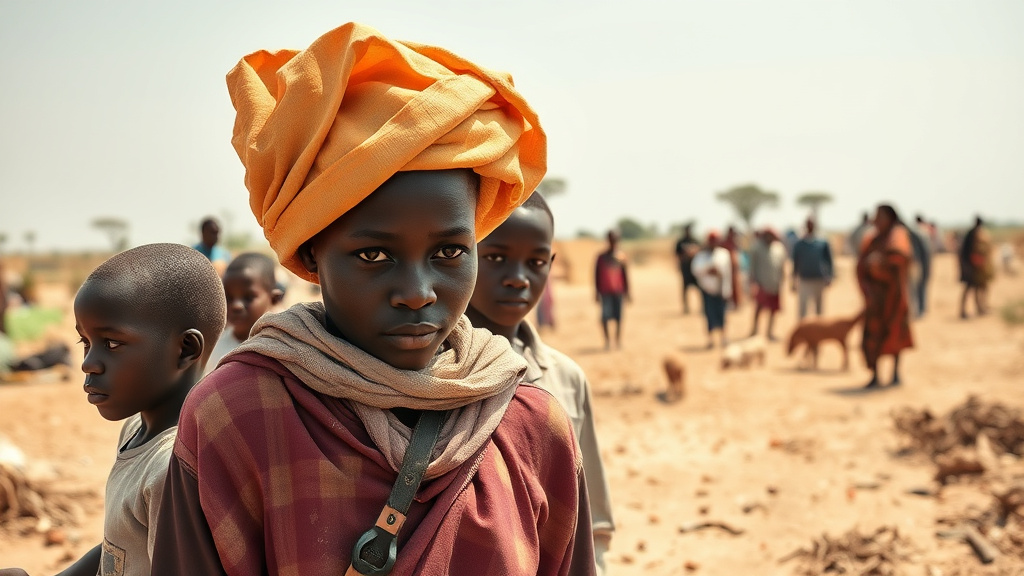
Sub-Saharan Africa faces an intensifying humanitarian emergency as prolonged drought conditions ravage communities across the region. Millions face acute food shortages, water scarcity, and disease outbreaks, threatening countless lives. This article examines the magnitude of the crisis, assessing the environmental factors driving these conditions, the populations most at risk, and the worldwide intervention efforts underway. We’ll assess how climate change intensifies these challenges and what urgent interventions are needed to avert further tragedy.
Scale of the Drought Emergency
The water shortage emergency gripping Sub-Saharan Africa has reached record-breaking intensity, with vast populations facing critical dangers to their lives. Across the region, precipitation cycles have turned inconsistent, producing prolonged dry seasons that destroy farming output and livestock populations. Water sources that populations have counted on for decades are fast running out, driving people to cover greater perilous stretches in search of drinking water and hygiene infrastructure.
The humanitarian consequences is severe and complex, extending far beyond basic food shortages. Rates of malnutrition among children have surged dramatically, with acute malnutrition cases straining already vulnerable healthcare systems. Disease outbreaks, such as cholera and measles, propagate quickly in conditions of water scarcity and overcrowding. Economic breakdown in affected regions has displaced millions, creating refugee populations and undermining stability in entire communities that depend on subsistence farming and pastoral livelihoods for existence.
Influence on Food Security and Economic Welfare
The prolonged drought has created a catastrophic food security situation across Sub-Saharan Africa, with crop failures decimating agricultural harvests that communities rely on for survival. Pastoralist communities endure severe livestock losses as grazing lands degrade and water sources dry up. Food prices have climbed sharply, making nutritious meals inaccessible for millions of disadvantaged families. Malnutrition rates are climbing at rapid pace, especially for children under five, with long-term developmental consequences that will shape entire generations for years to come.
Beyond immediate hunger, the drought threatens the economic foundations of rural livelihoods across the area. Farmers have seen their main earnings disappear, while herders stand by powerlessly as their animals perish. Agricultural workers face unemployment as farming activities halt, triggering widespread financial breakdown in communities with limited alternative employment opportunities. This financial crisis forces families into coping mechanisms including asset depletion, debt accumulation, and relocating, perpetuating cycles of hardship and instability that extend far beyond the present emergency.
Regional Population Movement and Migration Trends
The sustained water shortage across the Sub-Saharan African region has set off unprecedented population movements, with vast numbers of individuals departing from their ancestral lands in pursuit of essential resources and economic prospects. Pastoral communities, traditionally dependent on animal husbandry, face complete economic collapse as grazing lands degrade and herd sizes decline dramatically. This forced migration creates considerable stress on destination communities, taxing already limited resources and infrastructure while generating community friction between migrant groups and receiving populations.
Migration across borders patterns have intensified significantly, with families fleeing to neighboring countries in desperate pursuit of survival. Refugee camps in Kenya, Ethiopia, and South Sudan have grown beyond limits, while makeshift communities in city areas expand rapidly. The humanitarian infrastructure has difficulty managing this influx, resulting in overcrowding, poor sanitation conditions, and increased disease spread. Children and women make up most of displaced persons, facing heightened vulnerabilities to abuse, human trafficking, and violence based on gender during their perilous journeys.
International Response and Aid Efforts
The international community has allocated considerable support to tackle the Sub-Saharan African drought emergency. The UN, World Food Programme, and numerous non-governmental organizations have initiated joint humanitarian efforts delivering urgent food aid, safe drinking water, and healthcare resources to crisis zones. Donor nations have committed billions in humanitarian aid, while technical bodies work to set up delivery systems in remote areas. These efforts aim to prevent mass starvation and epidemic spread while enabling ongoing development programs across at-risk communities.
Despite these efforts, challenges remain in reaching all affected communities efficiently. Logistical constraints, limited infrastructure, and persistent security threats hamper relief efforts in several regions. Organizations stress the need for sustained funding and international cooperation to address both urgent relief requirements and underlying causes. Partnerships between governments, NGOs, and local communities are crucial for implementing comprehensive solutions that include immediate aid, water infrastructure development, and climate resilience initiatives to build resilience against future droughts.
