
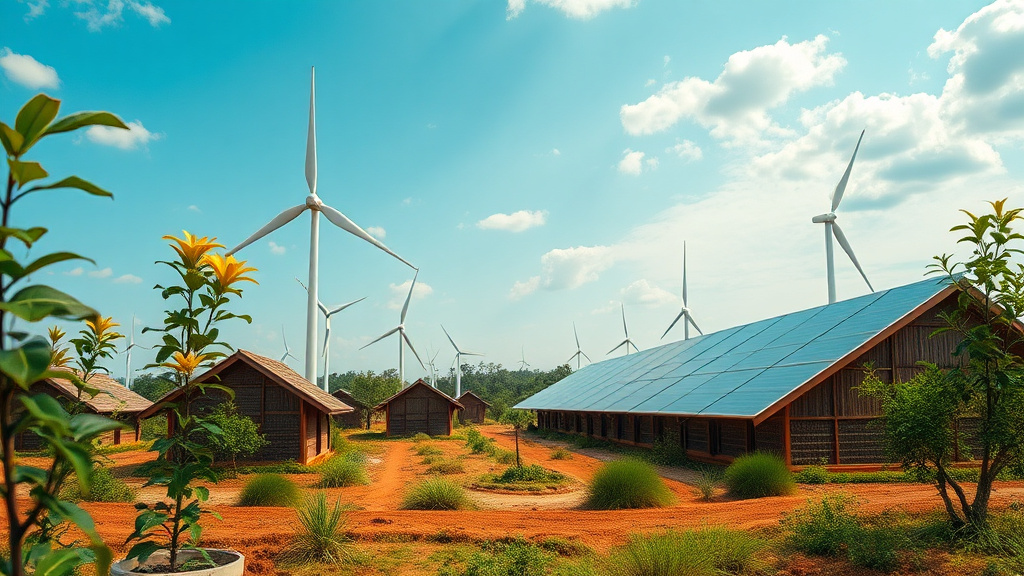
A transformative shift is transforming the worldwide energy landscape as developing nations and emerging markets increasingly adopt renewable energy investments. Propelled by falling technology costs, environmental commitments, and energy security priorities, these regions are rapidly deploying solar, wind, and hydro projects at unprecedented scales. This article explores the drivers behind this renewable revolution, identifies leading markets driving the transition, and assesses how these commitments promise to boost economic development while tackling urgent environmental problems facing our planet.
Expansion of Investments in Growth Markets
Developing markets are witnessing unprecedented growth in clean energy funding, with financial inflows reaching record levels in recent years. Growth-stage countries across the Asia-Pacific, African, and Latin American regions are allocating significant capital into solar, wind, and hydroelectric projects. This expansion reflects a fundamental shift in international energy focus, as institutional and commercial stakeholders recognize the financial and ecological advantages of transitioning away from carbon-based power. The trajectory is accelerating as technology costs continue to decline and financing mechanisms become more accessible to developing economies.
The financial landscape for clean energy in developing economies has shifted significantly over the last ten years. Multilateral development institutions, private equity firms, and institutional investors are increasingly targeting these regions for renewable energy initiatives. Favorable policy frameworks, including power purchase agreements and renewable energy mandates, have established stable investment conditions. Additionally, the growing awareness of environmental threats and supply security concerns has motivated both public and private sectors to accelerate renewable energy adoption, making these markets highly compelling to international investors seeking long-term, stable returns.
Main Drivers of Capital Deployment
Several factors are driving renewable energy investments across developing economies. Reduced prices for solar and wind power technologies have made these approaches cost-effective with traditional power generation. Public subsidies, including tax credits and subsidies, further enhance investment returns. Energy security concerns, notably in countries reliant on fossil fuel imports, motivate domestic renewable development. Global climate agreements under the Paris Agreement also encourage nations to boost renewable power generation. These converging factors create strong financial incentives for investors pursuing financial returns while supporting worldwide environmental objectives.
Technology progress and financial innovation constitute essential investment catalysts in emerging markets. Better energy storage technologies facilitate increased renewable energy adoption and power grid reliability. Microfinance and hybrid financing structures make renewable projects available to smaller-scale developers and local communities. Public-private partnerships enable shared risk management and knowledge transfer. Company sustainability pledges from multinational companies boost renewable energy demand. Furthermore, the proven track record of renewable projects in leading emerging markets offers proof of concept, encouraging further investment and attracting experienced developers and investors to expand operations across the developing world.
Regional Investment Patterns
Asia spearheads renewable energy investment among developing regions, with India and Southeast Asian nations leading deployment. China’s continued expansion of clean energy infrastructure shapes regional investment trends and technology standards. India is rapidly scaling wind and solar initiatives, backed by ambitious national targets and declining costs. Southeast Asian countries are increasingly attracting foreign investment in solar and hydroelectric developments. Meanwhile, Latin America shows strong growth in wind power growth, especially in Brazil, Mexico, and Chile. Africa’s renewable potential is substantially underutilized, though capital is increasing in countries with supportive policies and enhanced grid systems.
Regional differences in investment strategies reflect distinct resource endowments, policy environments, and development objectives. The Middle East and North Africa are investing heavily in solar developments, leveraging abundant sunshine and broadening energy mixes. Sub-Saharan Africa emphasizes off-grid solar solutions and mini-hydroelectric systems to resolve energy availability issues. Latin American countries prioritize wind and biomass projects, capitalizing on favorable geographic advantages. Each region’s investment profile shows how renewable energy plans align with local advantages and development priorities. Understanding these regional patterns is vital for investors seeking to identify prospects and navigate the diverse renewable energy sectors across emerging economies.
Obstacles and Possibilities
Despite impressive progress, developing nations face significant barriers to expanding renewable energy expenditures. Infrastructure limitations, inadequate grid upgrades, and constrained financing access persist as key barriers. Many emerging nations contend with outdated electrical systems incapable of managing variable renewable energy. Additionally, political uncertainty, regulatory uncertainty, and conflicting growth objectives redirect funding from clean energy projects. These obstacles demand coordinated international support and creative funding solutions to resolve structural impediments.
Conversely, these same challenges create substantial potential for revolutionary development and innovation. Developing nations can leapfrog traditional fossil fuel infrastructure by implementing state-of-the-art sustainable technologies directly. Dropping solar and wind costs create strategic edges over standard fuel sources. Job creation in manufacturing, installation, and maintenance sectors fuels economic development. Worldwide climate investment, green bonds, and collaborative ventures unlock unprecedented funding. Focused sustainable initiatives position emerging markets as leading renewable economies while building resilient, sustainable economies.
- Power grid upgrades requires smart infrastructure and digital technology integration systems.
- Funding approaches encompass green bonds, climate financing, and multilateral development bank assistance.
- Workforce development programs prepare skilled workers for clean energy industries.
- Regulatory structures create explicit standards enabling sustained renewable energy investments.
- Technology transfer agreements accelerate deployment of cutting-edge renewable technologies.
Future Outlook and Implications
The course of clean energy funding in developing nations offers substantial benefits for the coming decades. Studies suggest that renewable power generation in developing regions will double by 2030, supported by technological innovations and enabling policy measures. This growth will generate substantial employment, lower electricity prices for consumers, and improve self-sufficiency across areas. Furthermore, greater clean energy deployment will make a substantial contribution to global climate goals, positioning developing nations as key players in the worldwide transition toward renewable energy infrastructure.
Beyond environmental benefits, clean energy projects catalyze wider economic growth in developing nations. Enhanced electricity access enables industrial growth, strengthens health and education systems, and draws in international capital. As these nations build clean energy systems, they establish domestic expertise and manufacturing capabilities, reducing long-term energy expenses. The broader impacts extend to alleviating poverty and improved quality of life for millions. This green growth approach shows that environmental responsibility and financial growth are not contradictory, providing a powerful roadmap for global energy transformation.
