
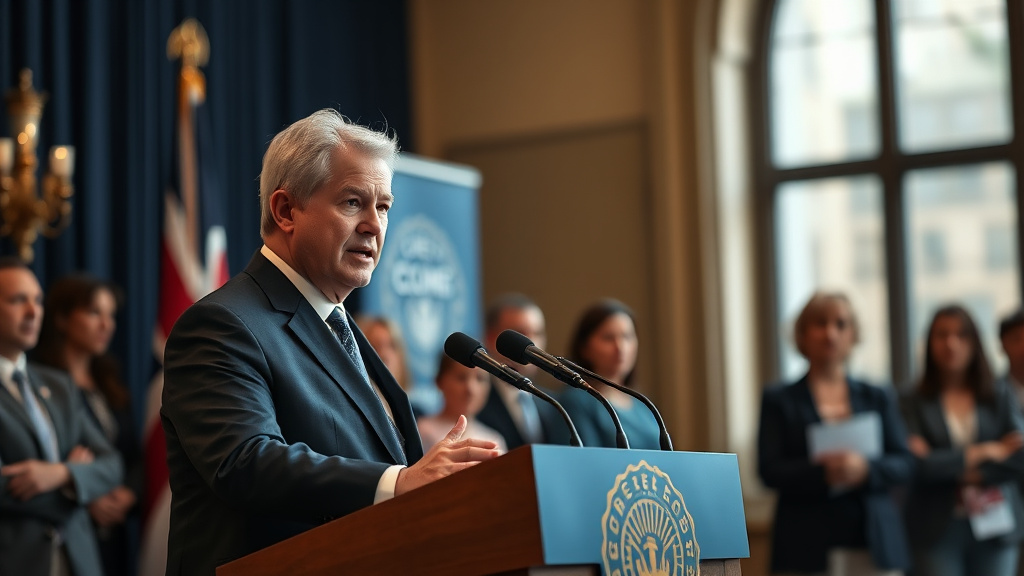
In a significant declaration that aims to overhaul the nation’s medical and social support landscape, the government has introduced comprehensive reforms intended to tackle chronic inefficiencies and enhance public access to essential services. These sweeping changes incorporate increased coverage, streamlined administrative processes, and enhanced funding for vulnerable populations. As rollout commences, stakeholders across the medical and social sectors are assessing both the significant promise and real-world obstacles ahead. This article examines the principal reforms, their expected effects, and what citizens can expect in the near future.
Comprehensive Health Service Reform
The government’s medical system reform represents the most substantial organizational transformation in the past twenty years, substantially reorganizing how patient care are delivered and financed. The program concentrates on upgrading deteriorating systems, improving digital health records systems, and establishing integrated service networks across urban and rural regions. By centralizing data management and improving interoperability between medical institutions, the system aims to minimize bureaucratic duplication and accelerate patient service delivery. These structural modifications are expected to enhance treatment recovery rates while at the same time lowering running costs for healthcare facilities nationwide.
A essential foundation of this reform involves expanding preventive care programs and reinforcing primary health services in communities with limited access. The government is allocating substantial resources to establish additional facilities, mobile health units, and telemedicine platforms that bring healthcare services to remote populations. Improved educational initiatives for healthcare professionals will ensure reliable service standards across all regions. Additionally, the reforms emphasize psychological health support and chronic disease management, recognizing shortcomings in existing services. These focused programs address current inequalities and promote equitable access to comprehensive healthcare for all citizens.
Implementation of the overhaul will take place in staged phases, commencing with trial initiatives in chosen regions before national expansion. Healthcare providers will obtain transition support and financial support to improve facilities and train staff on revised guidelines. Regular monitoring and assessment frameworks will track performance against defined benchmarks, promoting transparency and enabling rapid adjustments when necessary. The government has pledged clear information sharing throughout the implementation process, keeping stakeholders informed of milestones and resolving questions in partnership with medical professionals and community members.
Expansion of Community Support and Assistance Initiatives
The government’s extensive reform effort surpasses healthcare to cover a broader expansion of social support systems designed to support at-risk communities. This covers increased funding for community centers, elderly care facilities, and disability assistance initiatives. The reforms prioritize affordable access, ensuring that families with limited means and excluded groups obtain fair and equal services. Enhanced coordination between state departments will optimize service delivery and reduce bureaucratic redundancies. These extensions represent a substantial pledge to bolstering the nation’s social support system and improving general living standards for residents.
Advanced Mental Health Support
Recognizing the vital significance of mental health in general well-being, the government has allocated substantial resources to expand mental health services across the country. New funding will establish additional counseling centers, increase therapist capacity, and minimize wait times for mental health assessments. The reforms prioritize preventive action and prevention strategies, especially for youth populations. Community mental health services will be reinforced to deliver accessible support in underserved areas. These efforts aim to reduce stigma around mental health treatment and confirm that all citizens have access to quality psychological care regardless of socioeconomic status.
Implementation of enhanced mental health services encompasses training programs for medical practitioners and investment in digital mental health platforms. Remote healthcare services will increase availability for underserved and isolated populations, breaking geographical barriers to care. Crisis intervention services will be accessible around the clock, delivering urgent assistance during emergencies. Integration of mental health services with general practice centers guarantees holistic patient treatment. The government’s commitment includes ongoing research into successful treatment approaches and evidence-based interventions for various mental health disorders.
- 24/7 emergency support hotlines for immediate mental health support
- Growth of therapy programs in schools and community centers nationwide
- Training programs for behavioral health practitioners and peer counselors
- Telemedicine platforms enabling virtual mental health visits and therapy sessions
- Incorporation of psychological assessment in routine primary healthcare visits
The mental wellness service enhancement addresses persistent shortfalls in the nation’s medical system where mental health services remained inaccessible for many people. By emphasizing mental wellness in conjunction with physical health, the government acknowledges the interconnected nature of holistic health services. These improvements include targeted initiatives for particular groups, including military service members, individuals who have experienced trauma, and people with ongoing psychological disorders. Resource allocation strategies support long-term viability and ongoing enhancement of services. Success will be assessed via better psychological results, decreased emergency room admissions for mental health emergencies, and higher satisfaction scores across all communities.
Implementation Timeline and Financial Distribution
The government has established a phased implementation schedule covering eighteen months, starting right after the policy announcement. The first quarter will concentrate on administrative restructuring and staff training across healthcare facilities and social service centers nationwide. Later stages will progressively roll out new programs and broader service regions. This measured approach supports smooth transition while limiting impact to existing services. Officials emphasize that thorough preparation and collaboration between federal and regional authorities are essential to proper execution of these broad-based improvements.
Budget allocation reaches $23 billion over the first rollout phase, with funding distributed strategically across several reform areas. Healthcare structural upgrades get approximately forty percent of budgeted funds, encompassing facility upgrades and technology investments. Social services expansion comprises 35 percent, supporting at-risk community support initiatives. Administrative modernization and staff development consume the last quarter of the budget. Financial analysts forecast that improved efficiency and preventive care focus will generate considerable future savings, eventually lowering aggregate healthcare costs in five years.
Regional agencies have been given flexibility in adapting implementation deadlines to regional conditions while maintaining core strategic priorities. Regular performance updates will monitor spending, program performance metrics, and citizen satisfaction data. The government commits to transparent communication regarding spending practices and outcomes achieved. External assessments will validate compliance and effectiveness throughout the execution timeline. This governance structure showcases the government’s dedication to prudent management and concrete outcomes benefiting all citizens.
