
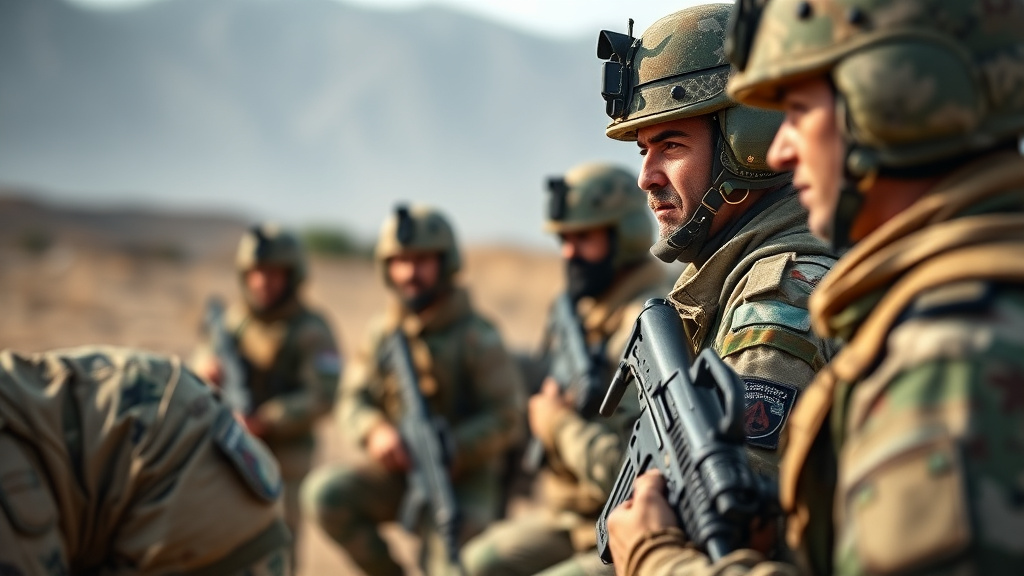
Kurdish Resistance Forces Establish Themselves as Potential Ground Forces in Regional Warfare
The Strategic Possibility of Kurdish Armed Forces Involvement
As armed conflicts expand across the region, attention has turned toward the possible participation of Kurdish armed groups located in northern Iraq. These entities, which have preserved organized military structures for decades, embody a significant unused resource that could substantially change the character of any ground combat. Kurdish leaders have been transparent about their operational capability, though they continue to be cautious about committing forces without adequate international backing and commitments to safeguard.
The Kurdistan Freedom Party and several partnered opposition organizations have highlighted that they have the organizational capacity and staff to mount a unified military effort. However, these groups maintain they will not act unilaterally or without guarantee that control of the skies will be established beforehand. The coordination among six major Kurdish opposition organizations reveals a degree of strategic and tactical capability that implies any intervention would be strategically calculated rather than impulsive.
Prerequisites and Military Intervention
Kurdish armed forces leadership has articulated multiple key prerequisites before deploying troops to cross international borders. Most significantly, they emphasize the necessity of air dominance and the neutralization of regime weapons capabilities. Without these conditions, Kurdish commanders argue that sending ground troops would constitute a suicidal mission, given the technological disparity between their modest arsenals and the armed forces capabilities available to their opponents. This pragmatic assessment reflects hard-earned lessons from decades of conflict and armed struggle.
The establishment of a no-fly zone has become the main requirement from Kurdish leaders. This protective measure would allow ground forces to operate with reduced vulnerability to aerial bombardment. Additionally, Kurdish commanders emphasize the significance of destroying enemy weapons depots and military infrastructure before any transnational military actions begin. The sophistication of these demands indicates that Kurdish leadership view themselves as legitimate military allies rather than proxy forces to be deployed at will.
Historical Context and the Issue of Trust
The Kurdish population, representing ten percent of the region’s population and spread among four nations, bears a historical weight of betrayals and desertion. Their proverb—”we have no friends but the mountains”—reflects decades of lived experience with unpredictable international alliances. Recent occurrences have underscored these apprehensions, particularly pertaining to American commitments to Kurdish partners in adjacent regions who felt abandoned when political considerations shifted.
Despite these historical reservations, some Kurdish leaders adopt a pragmatic perspective on potential collaboration. They acknowledge that military operations against neighboring rivals serve wider strategic objectives beyond Kurdish aspirations. This deliberate strategy suggests a inclination to capture immediate military advantages while remaining skeptical about enduring commitments. Senior Kurdish figures have endured prolonged exile anticipating opportunities for reclaiming their territory, lending urgency to their inclination to cooperate despite past disappointments.
The Complicated Position of Kurdish Communities and Geopolitical Implications
Kurdish communities in the area demonstrate considerable enthusiasm for potential change, seeing present conditions as a unique chance to challenge entrenched power structures. However, this optimism is balanced against practical concerns about the safety of civilians and the long-term viability of any territorial advances. The psychological burden of coming back to ancestral lands after prolonged exile adds mental complexities to strategic calculations, particularly for figures who have invested lifetimes readying themselves for such possibilities.
Iraq’s government confronts a precarious situation, seeking to uphold neutrality while adjacent regions see rising military buildup. The anticipated shift of Kurdish forces over boundary lines produces political and military complications that Baghdad seeks to prevent through public pronouncements against unsanctioned armed activities. The world’s response to Kurdish involvement—particularly regarding air support and armed coordination—will considerably shape whether these groups stay in preparation or actively engage in combat activities. The next several weeks will show whether Kurdish forces transition from preparation to active participation in regional events.
